
After The Title
Career Pivot from Corporate Brand to Authored Identity
When a senior career ends abruptly, especially after years of external validation, the question is not merely what comes next, but who one is now, once the corporate brand no longer holds.
How can the principles of modern branding be translated from products and services to the self?

PULSE
A career pivot is an identity transformation
In the previous edition, we examined how identities become constrained by Invisible Ledgers, those unspoken obligations and expectations that silently govern behaviour.

This PULSE edition focuses on what happens when such ledgers are suddenly invalidated, through dismissal, restructuring, or forced exit, how the structure that held identity in place gives way, and how meaning can be reassembled.
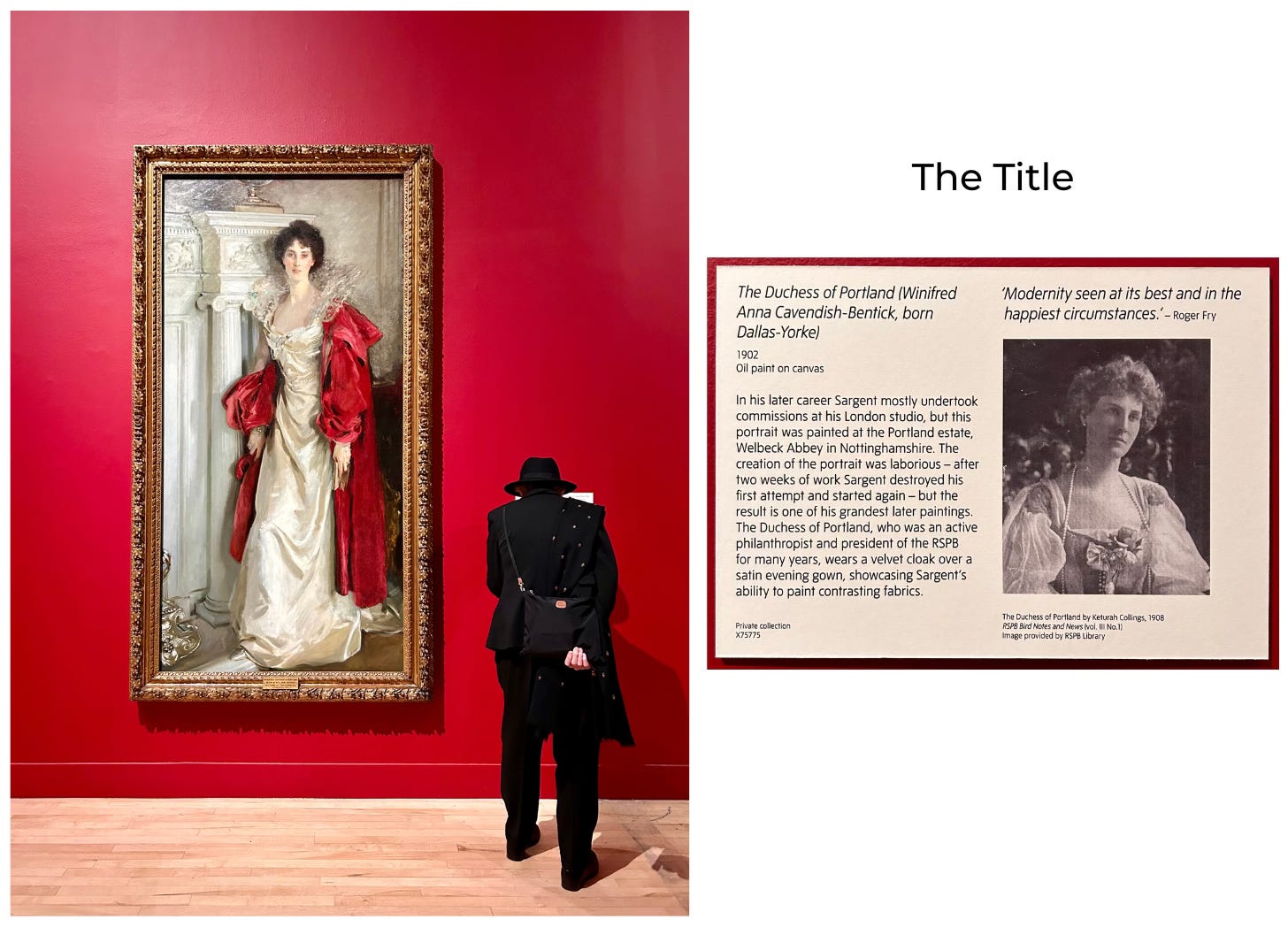
INTEL
Trusted, Effective, Bold
According to the State of Marketing Europe 2026 report by McKinsey, European marketing leaders are refocusing on three core imperatives in times of turbulence: be trusted, be effective, be bold.
These principles emerge from an environment marked by uncertainty, pressure on legitimacy, and accelerating change. While articulated for brands and organisations, they reveal a transferable logic that applies equally to individuals navigating a career pivot.
In particular, the report highlights a renewed emphasis on authenticity, proof of value, and courageous repositioning when former narratives no longer suffice.
For organisations, authenticity is no longer a stylistic choice but a condition of trust. Brands are expected to demonstrate coherence between what they claim, what they do, and what customers actually experience. Spin is increasingly penalised, while substance and consistency are rewarded.
Proof of value has also become central. Under economic pressure, marketing leaders are required to evidence contribution, relevance, and impact with greater clarity. Claims without demonstrable effect erode credibility, both internally and externally.
Finally, the report points to the necessity of bold repositioning. In an environment shaped by disruption, legacy narratives are insufficient. Organisations that continue to rely on past success stories struggle to remain relevant, while those willing to redefine their role, experiment with new expressions, and accept short-term uncertainty create renewed legitimacy.
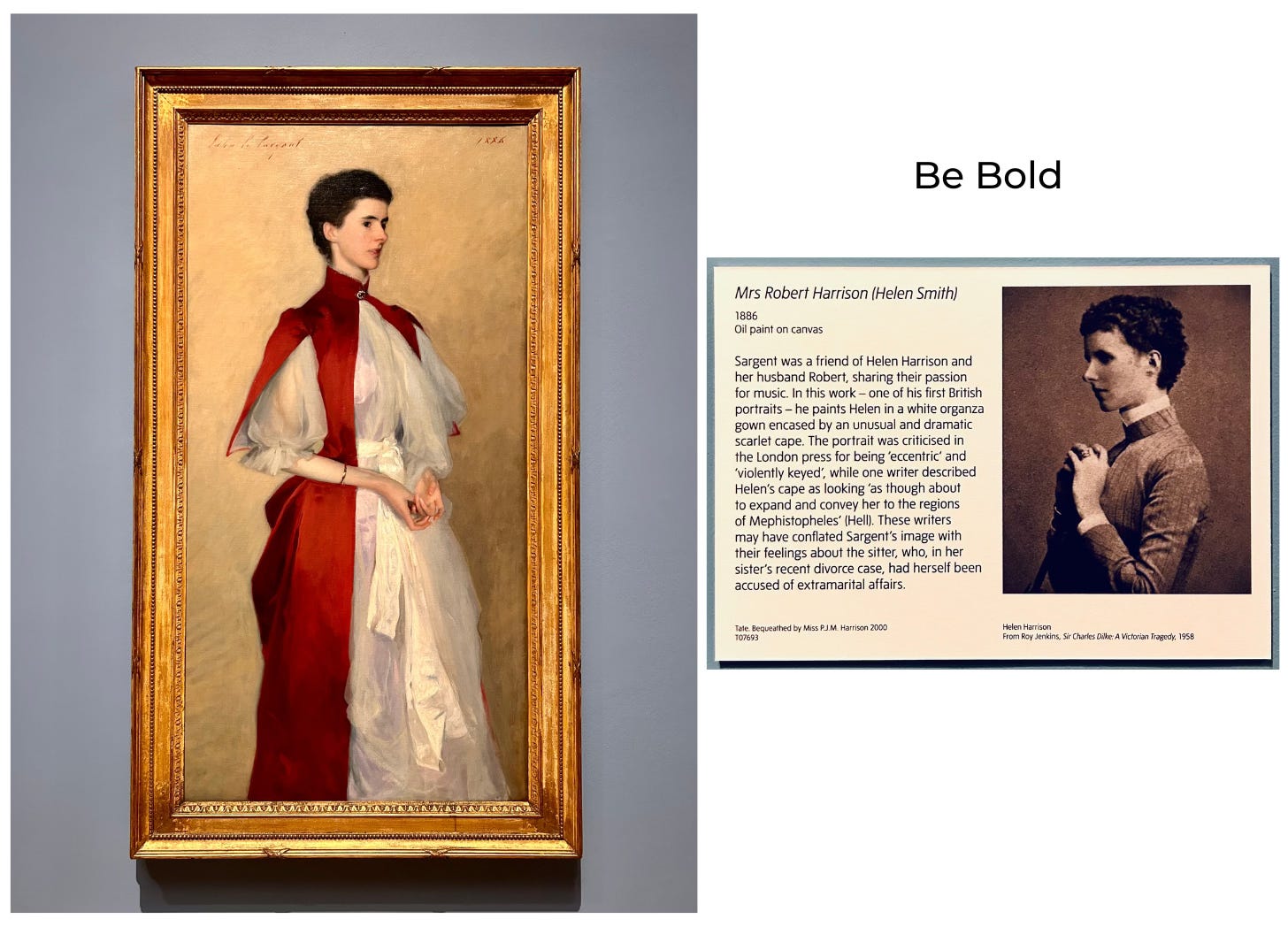
As identity itself becomes the medium, these principles illuminate the work required at moments of career rupture.
Authenticity becomes the task of reconnecting with one’s actual capabilities and values beyond corporate roles.
Proof of value shifts from internal performance metrics to the articulation of one’s unique contribution.
Boldness takes the form of letting go of outdated professional identities in order to author a narrative that can carry forward.
INSIGHTS
Meaning under identity rupture
In RIZOM, meaning is not a belief or a narrative. It is a dynamic construction, emerging from the continuous alignment between perception, experience, reflection, and expression.
For many senior professionals, meaning has long been externally scaffolded. Title, employer brand, and organisational narrative provide an exoskeleton for coherence, recognition, and direction. Over time, these elements become seamed together into a stable identity. The seam holds as long as lived experience continues to confirm the narrative.
When a career ends abruptly, especially through dismissal, this seam gives way.
The individual enters what RIZOM describes as the Gödelian edge: the point where the existing identity system can no longer explain itself from within. Explanation stalls and proof becomes the only language that still travels. What once made sense no longer does, yet no alternative structure is immediately available. It is often experienced as a pause in time, where momentum dissolves and the next step cannot yet be named.
This signals a meaning rupture.
Within the Basho-Loop™ Cycle, this moment corresponds to a passage through epistemic collapse often first felt as the loss of a reliable story about why one’s role, choices, or endurance should still make sense. Assumptions that were previously invisible become untenable. The individual realises that the narrative they inhabited was conditionally true, bound to a context that no longer exists. In career terms, the employer brand, the internal mandate, and the old proof of value stop travelling.
What follows is not a moment for reinvention. Reinvention presupposes direction, coherence, and available language. This phase is one of recursive reflection. The person revisits their own trajectory, skills, decisions, and values, now stripped of corporate framing. This phase is often uncomfortable, as counter-factuals emerge: “What if I had chosen differently?”, “What remains if the title disappears?”, “Will I still be perceived as legitimate by my peers, my friends, my family?” That time for suspended performance allows us to understand how meaning was previously assembled and where it fractured. It must resist the urge to produce a new narrative too quickly.
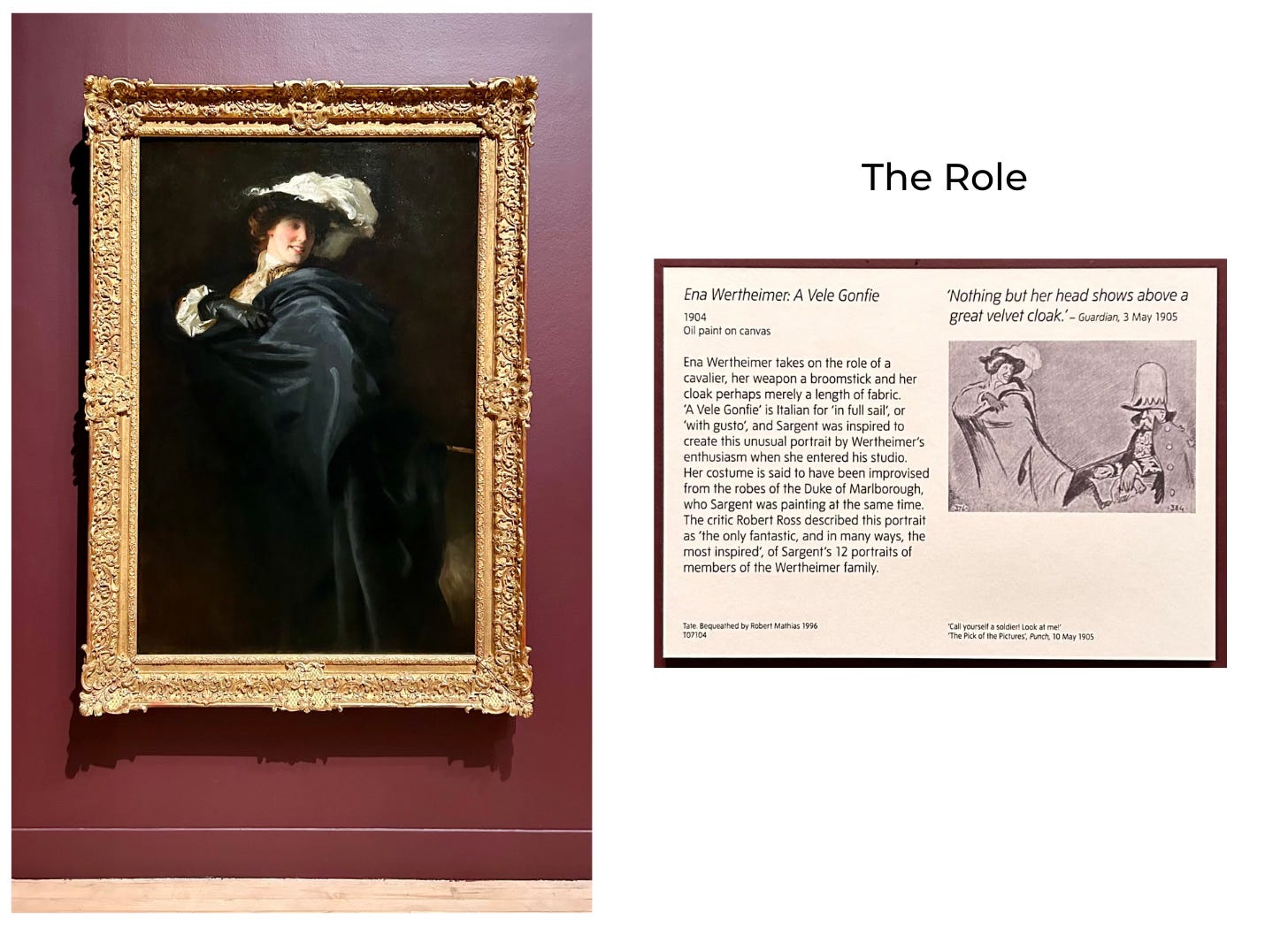
At this stage, the three principles identified by McKinsey in the context of brands transfer directly to the self:
Be trusted: trust is rebuilt from the inside out. Self-trust precedes market trust. The individual reconnects with what they can genuinely stand behind, beyond institutional endorsement.
Be effective: effectiveness shifts from delivering outcomes for an organisation to articulating one’s own contribution with clarity and evidence. Meaning stabilises when capability, intention, and expression realign.
Be bold: boldness is required to tolerate ambiguity long enough for creative emergence to occur. This is the phase where new forms of professional identity take shape, not as reaction, but as synthesis.
Meaning, in this cycle, is repaired by allowing a new seam to form, one that integrates experience, rupture, and future orientation into a coherent whole.
A career pivot, seen through this lens, is a necessary re-looping of meaning.
IMPACT
The Hidden Cost of Staying Between Stories
When this translation does not occur, many experienced professionals enter a state of narrative suspension.
They polish CVs that no longer reflect who they are, pursue roles misaligned with their energy, or remain immobilised by the loss of status.
They don’t update LinkedIn, the last profile remaining frozen in the present tense, sustaining the appearance of continuity. This is rarely a strategic omission. More often, it reflects a protective pause to postpone the symbolic rupture, faced with the inability to articulate an identity that no longer rests on an active organisational role.
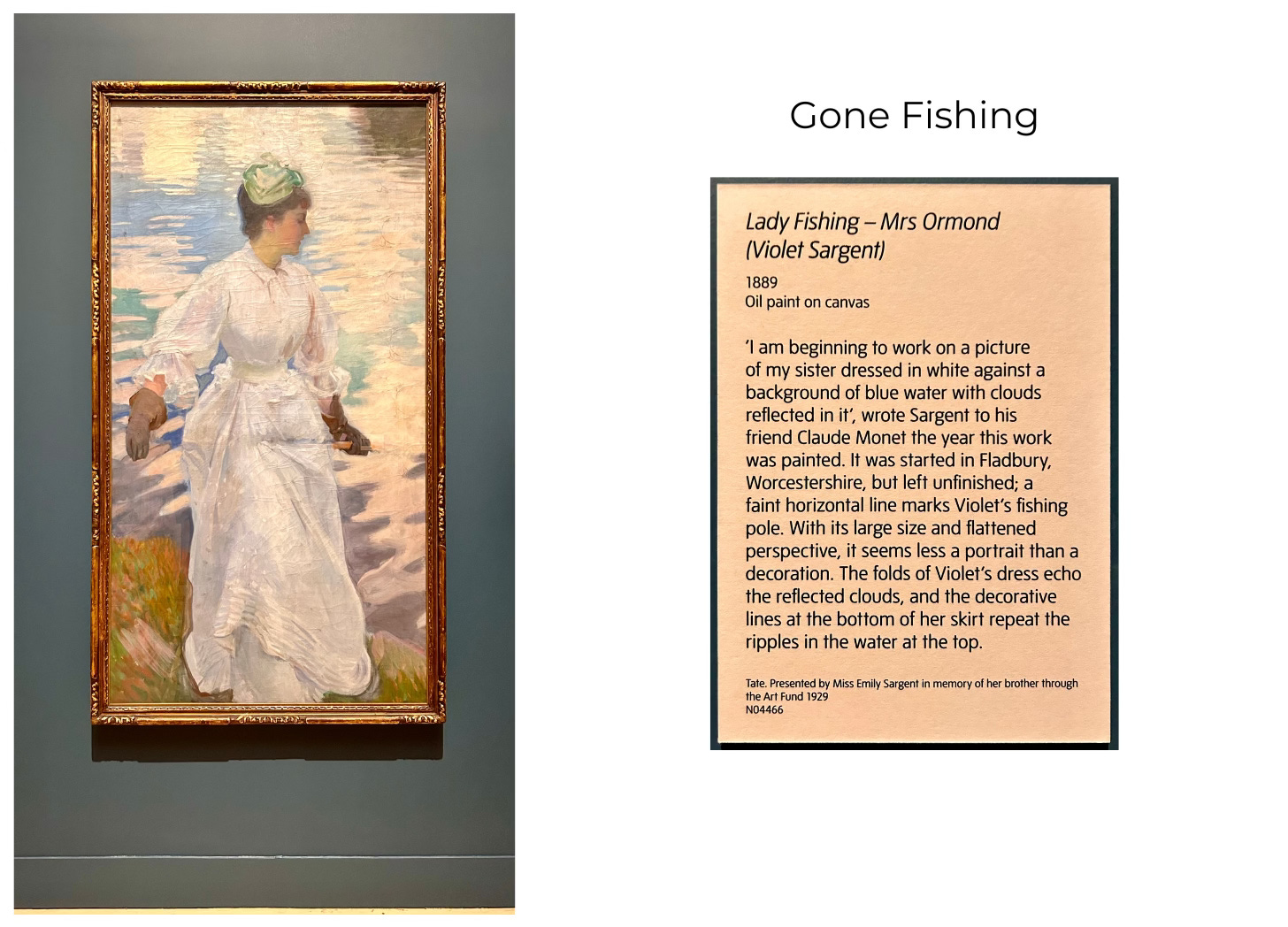
Lady Fishing - Mrs Ormond (Violet Sargent), 1889, John Singer Sargent
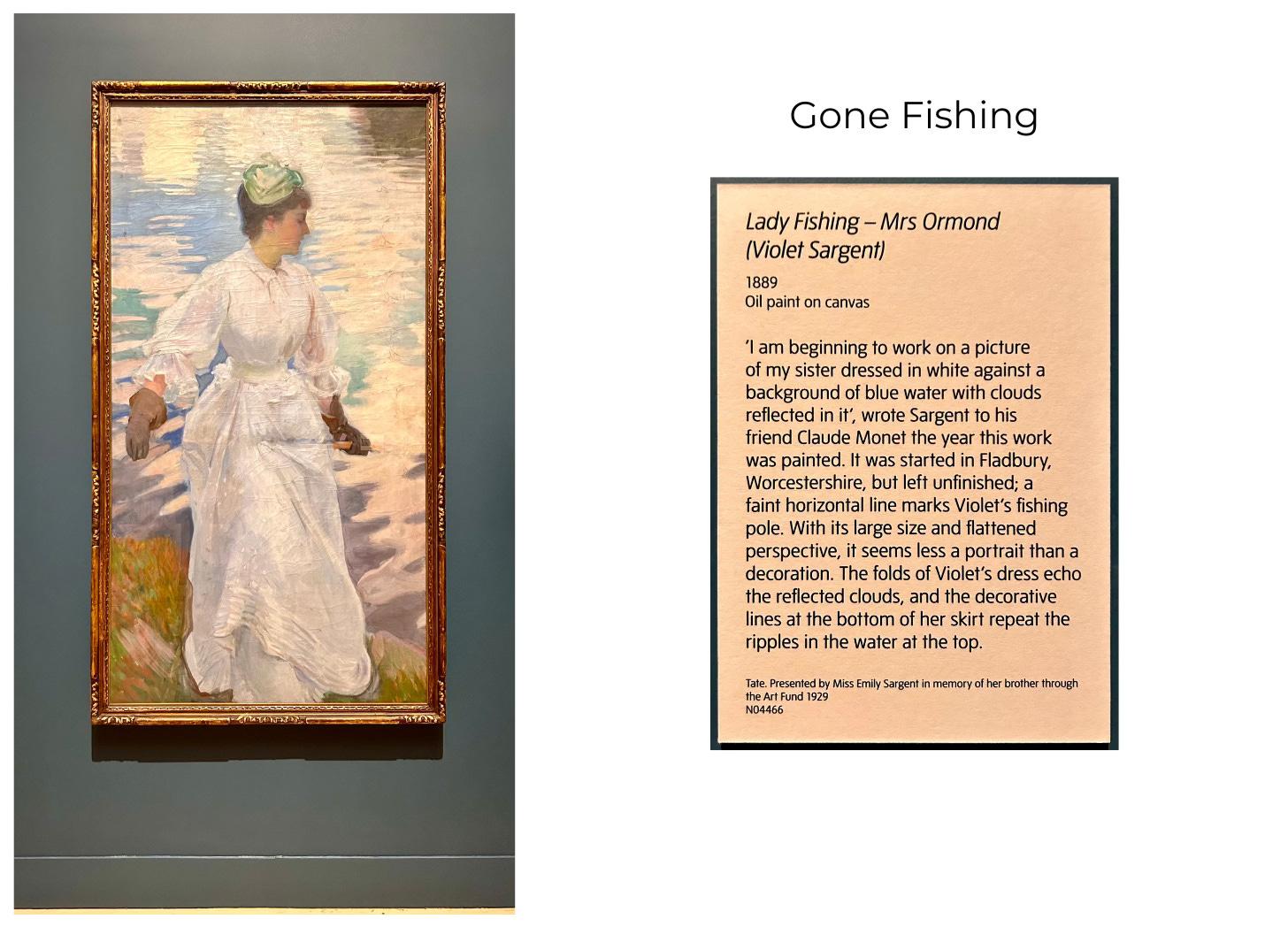
This is particularly acute for high-achieving women in their forties, whose professional identity may have been tightly interwoven with organisational loyalty and performance, and for whom sudden exclusion can produce both disorientation and self-doubt.
The risk arises when the pause hardens into avoidance. The longer the narrative remains misaligned with lived reality, the more difficult it becomes to re-enter the loop and author a future-facing identity.
Without a structured process of identity transformation, confidence erodes and options narrow.
ECHO
Why Pausing the Narrative Is an Act of Agency
What is often described as a confidence issue is, more accurately, a loss of narrative agency.
After years of operating within a corporate frame, the individual continues to speak a language shaped by the former organisation, its priorities, and its codes of legitimacy. Meanwhile, the market is already listening for a different signal. The gap between lived reality and narrated identity widens.
Moments such as leaving a LinkedIn profile unchanged are frequently misread as denial. In practice, they often mark an attempt to regain authorship. By suspending public self-packaging, the individual resists being prematurely repositioned by platforms, recruiters, or inherited labels. Intuitively, timing is reclaimed, and meaning is protected from haste.
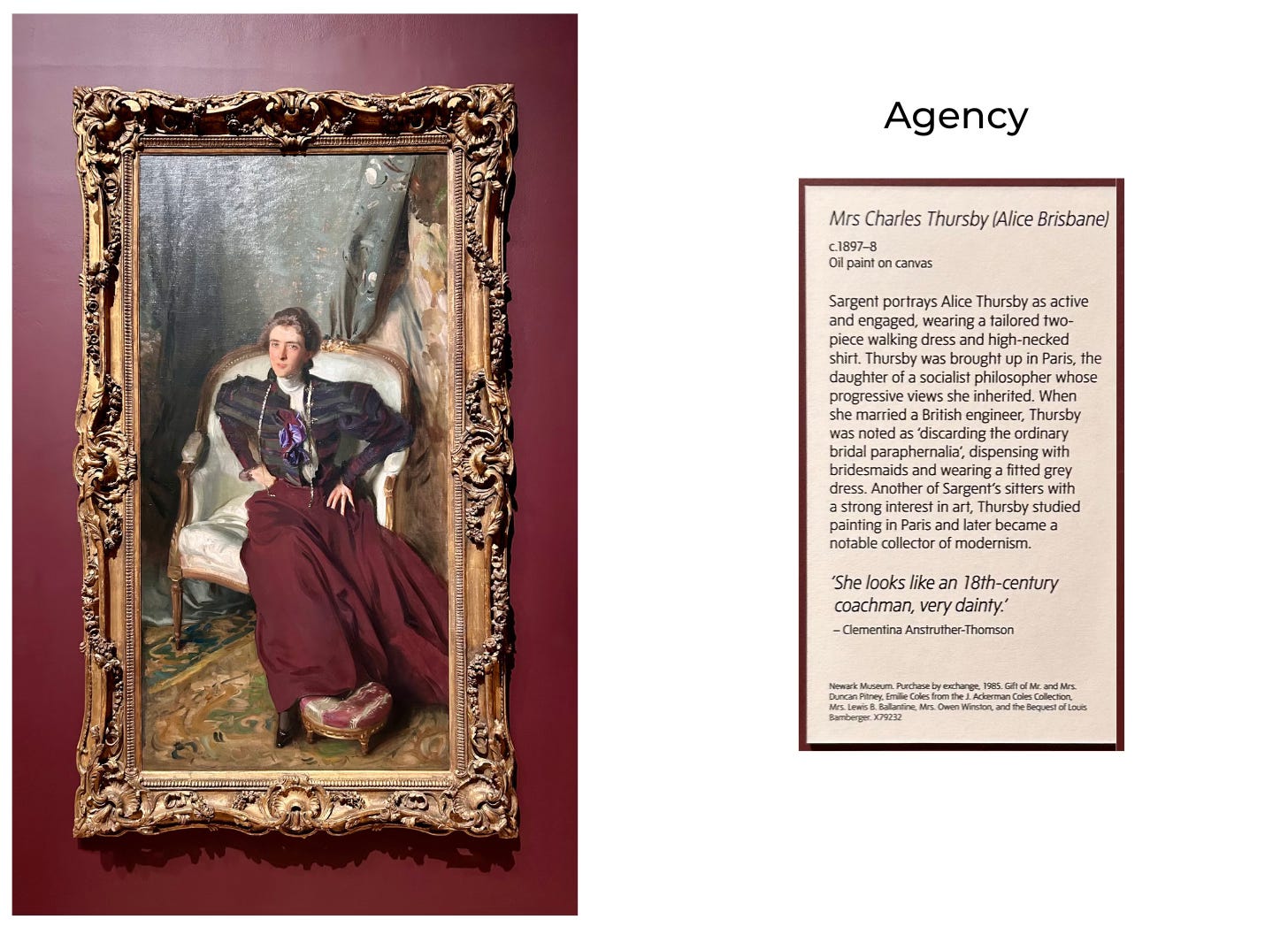
Agency, at this stage, comes from withholding performance until coherence can be restored.
This is where Career Track Analysis intervenes. It is a structured reading that turns transition into clarity: it identifies the narrative you have been living, the signals that are now changing, and the directions that are genuinely open. It then rebuilds the language and proof that travel beyond the previous context, so identity, self-packaging, and next steps lock back into alignment. If you are in a transition moment, this reading can be used as a first stabilising step before any CV rewrite, role search, entrepreneurial project, or work-life rebalancing.
The work is about restoring coherence between who one is, what one offers, and how this is expressed.
Without such a process, agency erodes, confidence follows, and options appear to narrow.
With it, identity regains traction, and the next narrative can emerge grounded in reality rather than reaction.
SIGNALS
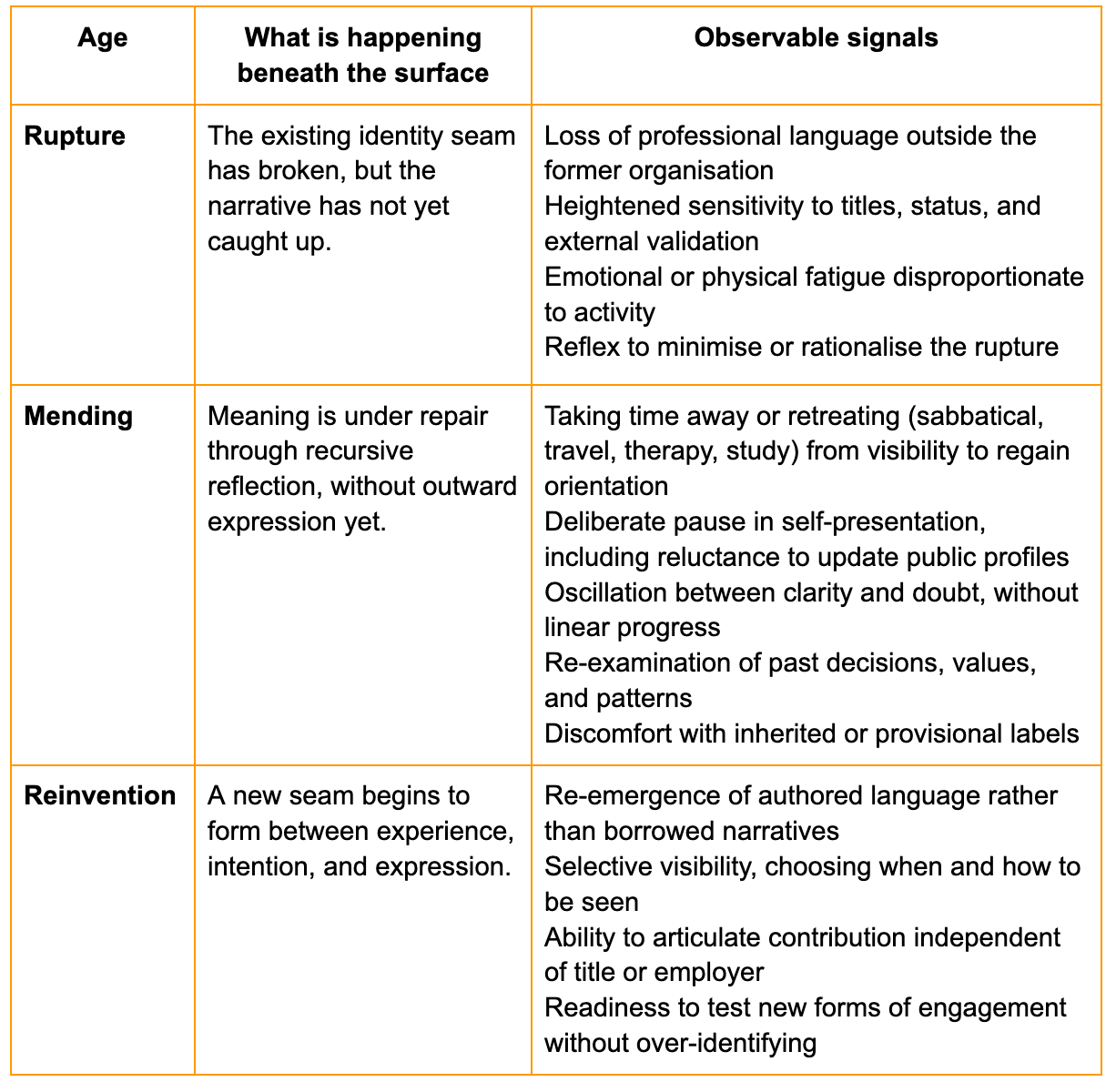
Ages of Rupture, Mending, and Reinvention
Career transitions unfold in distinct ages. Each carries its own signals, as indicators of where meaning currently sits in the loop.
CUE
Holding the Stage
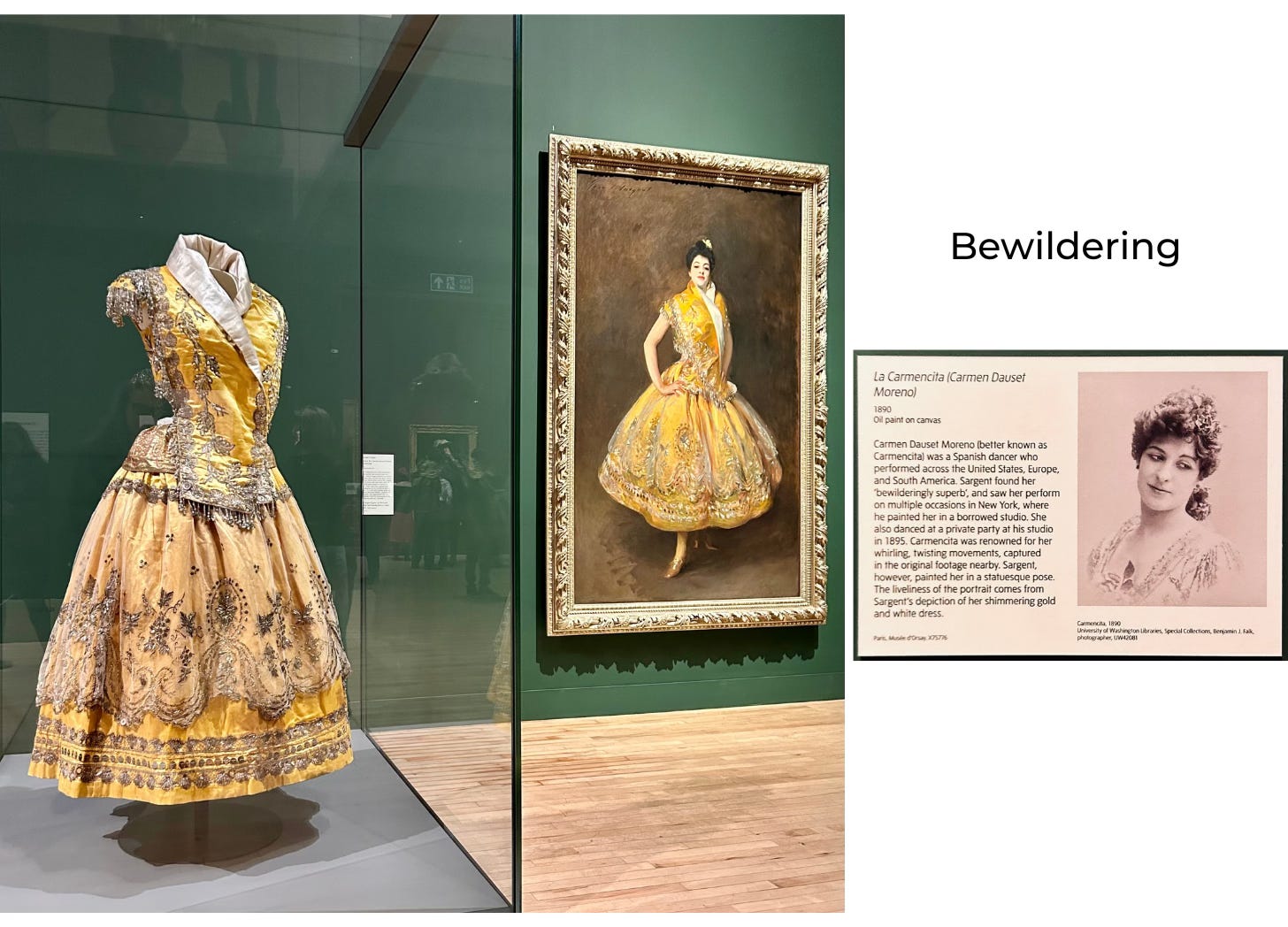
At a career pivot, identity transformation becomes the passage obligé to reclaim your place on the stage of your life.
To separate the role you wore from the presence you now wish to inhabit, consider:
Which parts of my professional identity were borrowed from the organisation?
What remains true, even without the title?
What would a trusted, effective, and bewildering version of my next chapter look like?
These questions are not meant to be resolved quickly. They hold the space where meaning re-forms, before direction returns.
You’re Already in the Loop.
See you next week as we explore new stories and new resonances.
The RIZOM Team
All photography: Marianne Magnin, 2024
Thank you for this thoughtful reaction, Mark. Your point is an important one, and in many ways, it already sits after the problem we are describing.
We at RIZOM share your view: work is not pain, nor torture (ref. Latin etymology of the word “travail”) . It can be pleasure, agency, and expression. And for those who are strongly internally referenced, as you describe yourself, the transition away from a corporate frame is often less destabilising. The centre holds.
The McKinsey survey is introduced as a signal of what is in the air in 2026. We read it not as an invitation to turn the self into a product, but as a mirror held up to a broader cultural moment.
Thus, why everyone should translate branding principles to the self is not really the question. It is why so many people are led to confront identity when the external frame disappears.
What we call out in this latest PULSE is precisely the risk you are pointing to: self-branding as appearance. That is not the work. What interests us is self-authorship: the ability to articulate one’s contribution, values, and direction when no institution does it for you.
For some, that capacity is already well formed. For others, especially those whose identity has been tightly interwoven with organisational roles, it needs to be rebuilt so as to regain coherence and agency.
So the transfer is not from branding to ego.
It is from external validation to internal authorship.
And for those who do not need it, that too is a signal worth recognising.
When I stopped paid work I’d already spent a fair bit of time both considering what’d I’d want to do to, after the 9-5, and also transitioning from one to another.
For me, I’ve never (in my heart or head) felt like “I am work, or I am the corporation, I’m defined by my job”. Maybe I’ve been lucky in that sense. Maybe it’s because for much of my life I’ve essentially felt like I’m heavily internally referenced. I don’t need or want someone else to tell me how ell I’ve done. Yes we all like a pat on the back sometimes, but I know when I’ve done things poorly or just been a knob! So that, so far, moving away from 9-5 has been 💯 good.
So my question is why do we think we need to translate the principles of modern branding to the self?